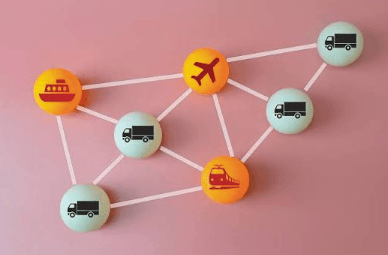

Modern supply chains can involve manufacturers, distributors, warehouses, retailers, and transport providers working across several locations. As products move between these organisations, accurate identification becomes essential for inventory control, quality management, and responding to customer or regulatory enquiries.
Traceability allows a business to connect a product with relevant information about its origin, production, handling, and distribution. Labels can play an important role in this process when they are designed and managed consistently.
Understanding Product Traceability
Traceability is the ability to follow a product or relevant material through defined stages of a supply chain. The information required depends on the product category and applicable regulations.
For some businesses, traceability may involve batch numbers and production dates. Other operations may need serial numbers, supplier details, storage records, or information about individual components.
The objective is to make relevant records accessible when they are needed, rather than attempting to collect every possible detail without a clear purpose.
Identify Critical Data Points
Businesses should decide which information must be recorded at each stage. A food producer, for example, may need batch and date information, while an electronics distributor may track serial numbers and model variants.
The data should be consistent across production systems, warehouse records, shipping documents, and customer service processes. Inconsistent formats can make it difficult to connect a physical product with the correct digital record.
Designing Labels for Reliable Identification
A traceability label must remain readable throughout the period in which the information is needed. Its material, print quality, placement, and size should suit the product’s storage and handling conditions.
Barcodes and other machine-readable identifiers can improve data capture when the organisation has compatible scanning systems. However, a code is useful only if the underlying information is accurate and the code can be read reliably.
Test Scanning and Readability
Labels should be tested under realistic conditions, including the lighting, distance, surface curvature, and handling likely to occur in the warehouse or production area.
Human-readable information may also be needed when a scanner is unavailable or when staff must confirm an identifier manually.
Businesses should establish procedures for handling damaged labels and replacing them without creating duplicate or misleading records.
Integrating Labelling With Inventory Systems
A traceability process works best when label information corresponds with the business’s inventory or enterprise systems. When a product is received, moved, packed, or shipped, the relevant event should be recorded using consistent identifiers.
The appropriate technology depends on business size and complexity. A smaller operation may use a carefully controlled inventory system, while a larger organisation may need automated scanning and integration between multiple platforms.
Businesses seeking assistance with production identification can evaluate labelling services as part of a wider assessment of label durability, printing requirements, and workflow compatibility.
Preparing for Product Recalls
A recall or quality investigation may require a business to identify affected batches, locate inventory, and contact relevant customers or distributors. Incomplete traceability can delay these actions and increase operational disruption.
Companies should define who is responsible for reviewing the records, deciding which products are affected, and communicating with the appropriate parties. The process should be tested periodically so that staff understand their roles.
A traceability system should make it possible to identify both where a product came from and where it was sent, to the extent required by the business and applicable rules.
Protecting Data Accuracy
Errors can enter a traceability system when information is entered manually, identifiers are duplicated, or staff use outdated product records. Training and validation checks help reduce these problems.
Access permissions should also be appropriate. Employees should have the ability to complete their assigned tasks without unnecessary access to sensitive commercial information.
Regular reconciliation between physical stock and digital records can reveal gaps before they affect customer orders or quality investigations.
See also: How to Present Soft Skills in a Professional Application
Meeting Industry Requirements
Traceability requirements vary by industry and destination market. Businesses should identify the specific records, identifiers, retention periods, and reporting procedures that apply to their products.
Where products cross borders, the company may need to coordinate requirements from more than one jurisdiction. Advice from relevant regulatory or quality professionals can help clarify what must appear on the label and what may be maintained in supporting records.
Frequently Asked Questions
1. Is a barcode enough to provide product traceability?
Not by itself. A barcode can identify a product or record, but the business also needs accurate underlying data and procedures for recording relevant supply-chain events.
2. How long should traceability records be retained?
The appropriate period depends on applicable regulations, contractual obligations, product risks, and business requirements. Companies should confirm the relevant rules before setting a retention policy.
3. Why should labels be tested in warehouse conditions?
Testing helps confirm that identifiers remain readable and scannable during handling, storage, and transportation. This reduces the risk of losing access to important product information.
Conclusion
Reliable traceability combines clear product identification with accurate records and consistent operational procedures. Businesses that coordinate label design, scanning systems, inventory processes, and recall planning can respond more effectively to supply-chain issues. Regular testing and data-quality reviews help keep the system dependable as operations grow.
