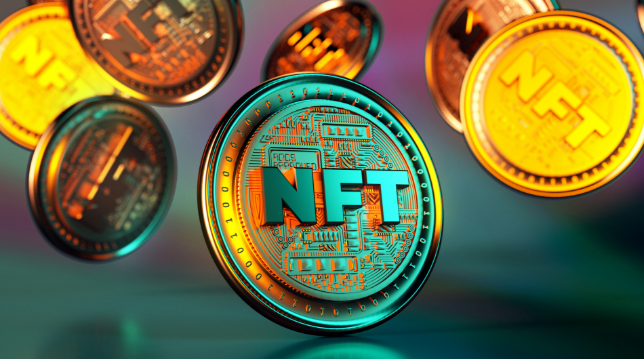

NFTs and cryptocurrencies occupy different corners of blockchain ecosystems: NFTs certify unique assets with provenance and metadata, while cryptocurrencies are fungible, liquid units underpinning networks and DeFi. Value formation follows distinct paths—scarcity and utility for tokens, versus rarity and asset-specific use for tokens non-fungible. The decision to engage hinges on risk, fees, and security considerations, alongside policy and market dynamics. As constraints tighten, the implications for investors and ecosystems become more nuanced, inviting careful scrutiny before taking a position.
How NFTs and Crypto Differ: Core Concepts Explained
NFTs (non-fungible tokens) and cryptocurrencies represent distinct digital asset classes that operate on blockchain technology but serve different purposes. The analysis clarifies core concepts: NFT mechanics govern unique tokens, NFT provenance tracks ownership, and NFT metadata anchors asset details. Crypto valuation and volatility reflect market dynamics, while crypto liquidity and policy considerations shape access. Together, distinctions inform strategic freedom in asset choice without conflating fungibility.
See also: newsabycom
How Value Is Created and Traded for Each Asset
Value is created and traded differently for each asset class: non-fungible tokens capture unique asset provenance, rarity, and utility, translating metadata, ownership records, and transferability into perceived and real-world value; cryptocurrencies generate value through consensus-backed scarcity, network effects, and utility in decentralized finance and payments, with price driven by demand, liquidity, and policy expectations. NFT provenance, NFT liquidity, token standards, crypto staking shape market dynamics and regulatory considerations.
Choosing Use Cases: When to Buy, Sell, or Hold NFTs vs Crypto
In choosing use cases for NFTs versus crypto, one must weigh the distinct drivers of demand, liquidity, and risk across asset classes: NFTs typically align with provenance, rarity, and utility within specific ecosystems, suggesting selective, horizon-aware buying and tiered selling strategies; cryptocurrencies, by contrast, exhibit broader network effects and macro-driven cycles, favoring liquidity management, diversification, and policy-risk awareness.
NFTs value, Crypto liquidity, NFT royalties, Crypto staking.
A Practical Comparison Framework: Risks, Fees, and Security
Navigating risk, cost, and protection requires a structured framework that contrasts NFTs and cryptocurrency across three axes: risks, fees, and security.
The framework assesses NFT liquidity, swap costs, and market manipulation exposure, alongside crypto custody, exchange insurance, and key management resilience.
It delivers policy-relevant clarity for informed choices, balancing freedom with systemic safeguards and practical operational considerations.
Frequently Asked Questions
Can NFTS Be Part of Decentralized Finance Ecosystems?
NFTs can be part of decentralized finance ecosystems, though primarily as collateral, yield utilities, or tokenized real-world assets; their utility hinges on cross chain interoperability and rigorous governance to align incentives and manage risk, costs, and compliance.
Do NFT Royalties Apply to All Marketplaces and Creators?
NFT royalties are not universally enforced; outcomes vary by marketplace. In practice, many platforms support creator royalties, while some exclude or alter terms. Marketplace enforcement, contract design, and policy updates shape consistency and revenue protection for creators.
How Do Custodial and Non-Custodial Storage Differ for NFTS?
Custodial storage centralizes keys with a third party, while non custodial storage preserves user control. Analysts note trade-offs: custodial storage offers convenience and recovery, yet introduces counterparty risk; non custodial storage emphasizes autonomy but demands robust security practices.
Can You Convert NFTS Into Physical Equivalents or Experiences?
Converting NFTs into physical equivalents or experiences is possible via certificates, prints, or staged events; however, it raises ownership and provenance challenges. NFTs vs Crypto: basics guide policymakers and industry toward transparent alignment, safeguarding creator rights while preserving freedom.
Are There Taxes Specific to NFT Transactions?
Tax treatment for NFT transactions varies by jurisdiction, with capital gains considerations and potential ordinary income in specific cases; reporting obligations exist, and regulatory classification influences compliance requirements, disclosures, and antifraud safeguards in a rapidly evolving market.
Conclusion
NFTs and cryptocurrencies occupy distinct roles in the digital asset ecosystem: NFTs anchor unique assets with provenance, while cryptos enable fungible value and network liquidity. The prudent approach treats NFTs as asset-specific instruments, crypto as liquidity and settlement layers. Investors should align use cases with risk tolerance: rarity and utility for NFTs; governance, staking, and payments for crypto. Ultimately, the market rewards clarity of purpose and disciplined risk management, like a lighthouse guiding ships through fog toward known harbors.
